In a world shaped by expectations and inherited standards, authenticity becomes an advantage, it has transformed into true luxury
The cigar industry is no exception, perception has always pointed towards the same direction, Cuba has the best cigars. And that stereotype leaves little to no room for new narratives and markets.
Chazaro Cigars challenges this connotation by asking, what if the future of premium cigars lies in returning to its origins? The brand is grounded in something that is often overlooked: the richness and purity of Mexican tobacco

A Legacy Rooted in Veracruz
The story begins long before the brand itself.
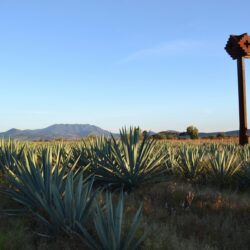
In 1850, in Tlacotalpan, the Chazaro family established Chazaro Brothers & Company, a distinguished commercial house that moved coffee, tobacco, and textiles across regions. It was a business rooted in trade but more importantly, in an early connection to the land and its resources. That connection deepened with the next generation. Luis Chazaro’s grandfather, Don Tito, began cultivating tobacco in San Andrés Tuxtla, a region now regarded as one of the richest tobacco-growing areas in the world. What began as cultivation would later become the foundation of something far greater.
Today, that same land continues to define Chazaro. Each cigar is crafted using Negro de San Andrés tobacco, grown, selected, and aged over years to develop the depth, aroma, and character that defines the cigar. The process remains deliberate and traditional, serving as a reminder that quality can never be rushed.
Origins and Casa Chazaro
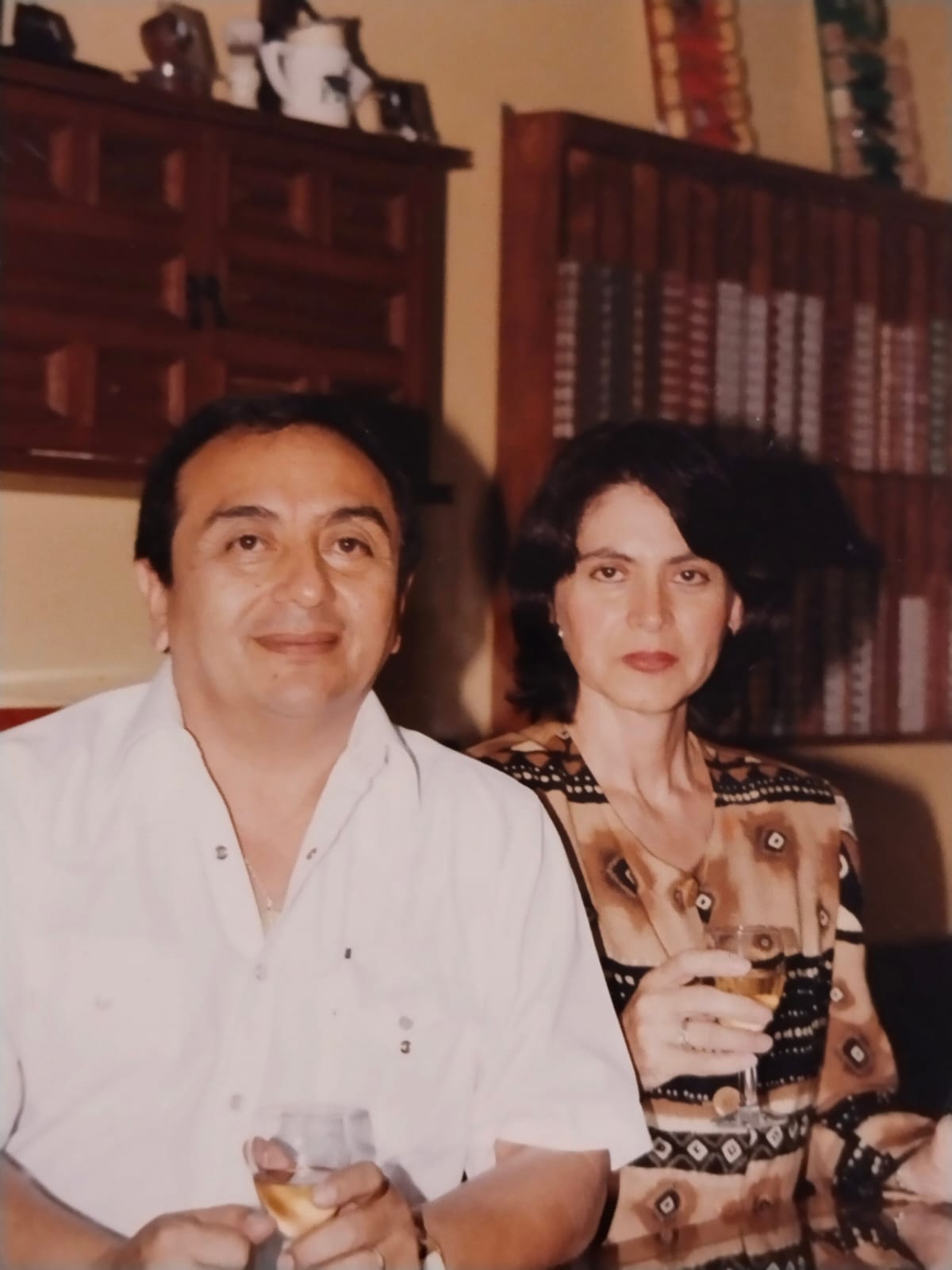
“I tried my first cigar when I was 14,” he recalls. As the family relocated to Querétaro, the business began to evolve alongside them. What started as tobacco cultivation found a new expression when Luis’s grandmother opened a coffee shop, where cigars were introduced almost naturally, becoming part of the experience rather than just a product.
That small integration soon grew into something more.The family opened their first tobacconist, marking a shift from simply producing tobacco to shaping how it was experienced and shared.
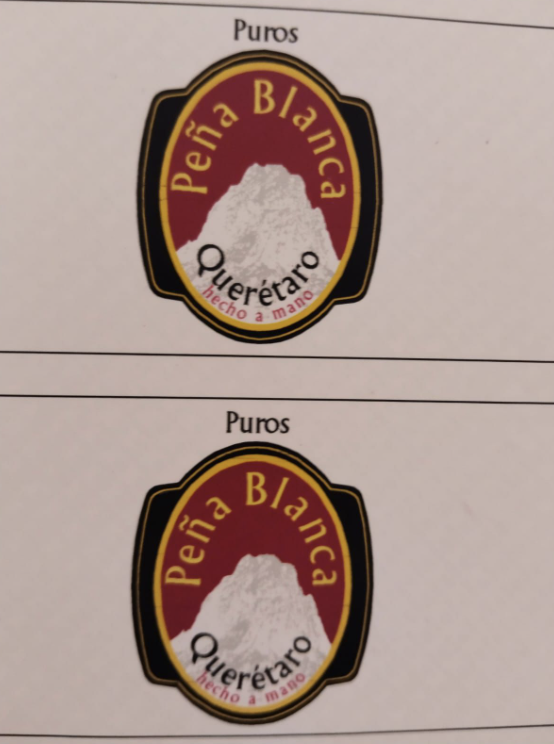
By 2000, Luis and his father took another step forward, presenting cigars made from their own tobacco under a new project called Peña Blanca. That same year, they opened Casa Chazaro in Querétaro, a smoking lounge and wine bar designed to bring people together through the ritual and elegance of cigars. Over time, Casa Chazaro became more than a space; it became a cornerstone of the brand. Today, it stands as one of the most important cigar lounges in Latin America, and remains deeply connected to Chazaro itself, with both existing almost as sister entities.
International markets
From that evolution came a defining step: the creation of their first cigar to carry the family name, Chazaro. But the true turning point came years later. Around 15 years ago, Luis inherited Don Tito’s original tobacco fields in San Andrés. For generations, the family had grown and exported tobacco, supplying the industry but never standing at its forefront. Their leaves traveled the world, often becoming part of other renowned cigars.
The question was inevitable:If they had the land, the knowledge, and the product, why didn’t they have their own brand? The answer lies in tradition. For decades, they exported tobacco as raw leaf, not as a finished cigar. Luis chose to change that. With full control of the land, he shifted the focus from supplying others to building something of their own. A brand rooted not only in heritage, but in ownership.That vision materialised on December 1st, 2015, with the presentation of Black Chazaro in New York, marking the brand’s formal entry into the international stage.

The hardest bet
Despite being the largest producer of tobacco leaf in the world, Mexico has never been at the center of the premium cigar conversation. That absence is striking. When people speak of tequila or mezcal, Mexico is instinctively part of the narrative, yet when a cigar is placed on the table, the association almost automatically shifts to Cuba or the Dominican Republic. The perception of what defines a “great cigar” has long excluded its true origins.
For Luis Chazaro, this was not just a gap in the market, but a cultural contradiction. “The hardest part,” he explains, “is convincing Mexicans to believe in Mexican tobacco.” A phenomenon often described as malinchismo; the tendency to favor foreign products over local ones, has shaped how the product is perceived, even within its own country. The irony, however, is undeniable: many of the world’s most celebrated cigars rely on San Andrés tobacco, valued for the richness and depth it brings to the blend.
Chazaro was built to challenge that misconception. The bet was clear, but far from easy: to create a premium cigar brand that is entirely Mexican; not partially, not symbolically, but fully. Every cigar is rooted in this commitment. The tobacco is grown in San Andrés on land they own, cultivated and harvested under their control, and hand-rolled in Querétaro at La Real Fábrica de Tabaco. Even the packaging reflects this philosophy, the wooden boxes are made from Mexican wood, and the rings are crafted by the very hands behind the cigars, with the same attention to detail.
In an industry where many brands source and assemble, Chazaro does the opposite. It owns every step of the process, from seed to smoke. This was the risk: opening a market with a product that is entirely Mexican. And that is precisely what defines it, not only as a cigar, but as a statement of origin, identity, and intent.
Where Pride Becomes Legacy
With the 10th anniversary of the brand, Luis decided to launch a product that would be ready to go out into the world. He already had Black Chazaro and Habana Chazaro, but “none of them seemed as special to sell globally,” so he launched a cigar bearing the name of his grandfather, Don Tito. They did this as a relaunch and rebrand of Chazaro, and it is a limited edition cigar of only 5,000 boxes in existence. This cigar also comes with a different strategy, it will be marketed in London, and from London, to the world.
“What makes me the proudest is launching this in the name of my grandfather,” says Luis.
Luis has been a successful business man, congressman, a politician, a banker, and worked in real estate, yet he still decided to put his name into this project. It is one full of tradition and family, something that can never be replaced. He takes the time to put his foot down and honour the name of Veracruz, where his grandfather comes from; the name of Querétaro, where he and his family established; and the name of Mexico, for providing the land where this story can happen and for having a product that is 100% Mexican. What matters most to him is the story that this business tells, the story of his family and his heritage. He wants his family to inherit it, and for future generations to carry it forward.
“It’s important to know where you come from and where you are going,” Luis Chazaro says. In that sense, Chazaro is more than a cigar, It is a legacy, one proudly made in Mexico.
Rolling the future cigar
10 years in, the brand is the principal cigar supplier in many large chain stores in Mexico, such as City Market, La Europea, and La Castellana, as well as having a presence in duty-free stores across the country. When asked where he sees the brand going in the next 10 years, he answered that he wants it to become a premium international brand, competing with high-end names like Davidoff and Cuban cigars in general.
At the same time, he is clear about one thing: Chazaro will remain a boutique brand. Production is naturally limited, he grows all of his own tobacco rather than sourcing it, a process that takes time, and every cigar is made by hand. Growth, for him, does not mean losing control, but preserving the essence of what makes the brand unique.
He believes there will be a shift in the global cigar market. Cuban tobacco has been overexploited, both in its land and its people, and when the Cuban dictatorship eventually falls, there will inevitably be a reconfiguration of the industry; one where people will be more open to trying other products, such as Mexican cigars. The key, he explains, is shifting people’s minds and moving them away from the stereotypes embedded in them. That is where Mexico can begin to compete with Dominican and European brands.
At the same time, there is a deeper idea behind the brand. Tobacco is native to the Americas, and yet its narrative has been dominated elsewhere. “Cigar de los mayas,” native representatives of American tobacco, it doesn’t make sense that the original lands of tobacco never had a brand of their own. So they decided to do something about it.
“We’re working on it,” says Luis Chazaro.
In the end, Chazaro is not just about competing, it is about redefining what a premium cigar can be. Rooted in its origin, proud of its identity, and built with intention, it is a brand that looks forward without forgetting where it comes from.